 A practical walkthrough of ebook formatting basics so your self-published book looks professional on every device.


The Psychology of the Spin: Why Slots Hook Your Brain
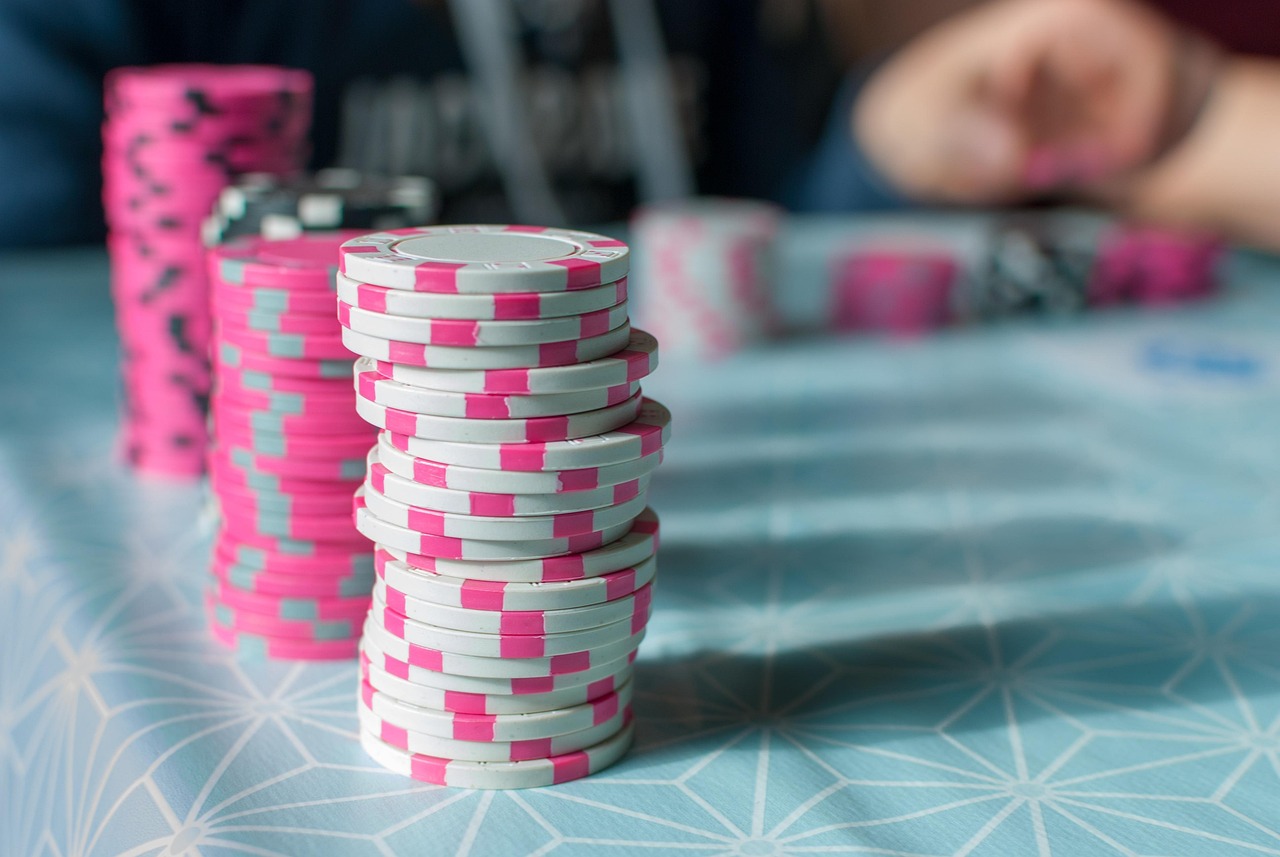
You sit down at a slot machine. Your finger hovers over the spin button. You know the house edge is somewhere between 2% and 10%, and you know the odds of hitting the jackpot are roughly one in several million. Yet you press it anyway. Why? Because the modern slot machine is one of the most sophisticated psychological tools ever engineered — and understanding how it works is the first step toward playing smarter.
Whether you're a casual player or someone who takes poker seriously enough to track variance, the mechanics of casino psychology affect you. Let's break down what's actually happening when you play.
The Near-Miss Effect and Your Dopamine Loop
Brain imaging studies, including well-known work from researchers at the University of Cambridge, have shown that near-misses — two jackpot symbols and a blank — activate the same reward pathways as an actual win. Your brain doesn't fully distinguish between "almost" and "got it." That partial activation keeps you pressing the button.
Slot designers know this. The frequency of near-misses on modern video slots is not random — it's engineered. A 2016 study in the journal Addiction found that near-misses specifically increase the urge to continue playing, especially in problem gamblers. The reel layout on a five-reel slot isn't just decorative; the symbol distribution influences how often you'll see two matching symbols line up.
Now compare that to poker. In Texas Hold'em, when you miss your flush draw on the river, you lose the pot and move on. There is no flashing light, no sound, no animated symbol dangling the idea that you were "so close." Poker punishes misses. Slots reward the feeling of almost winning. That's a critical distinction.
Random Reinforcement Is Stronger Than Predictable Rewards
B.F. Skinner's research on operant conditioning in the 1950s found that animals — and humans — respond more persistently to unpredictable rewards than to consistent ones. A rat pressing a lever for a food pellet every single time will stop when the food stops. A rat pressing a lever that only sometimes dispenses food will keep pressing far longer.
- Fixed-ratio schedules (every 10th spin pays) create boredom and quick quitting.
- Variable-ratio schedules (random payouts) create the strongest, most persistent behavior.
- Slot machines are the purest variable-ratio reward system ever built at scale.
Online casino platforms have refined this further. Features like "tumble" mechanics, where winning symbols disappear and new ones drop, create micro-wins that extend play time. A single spin can pay out four or five times in a cascading slot, and each cascade triggers a small dopamine release.
This is why setting a pre-committed session budget matters more on slots than almost anywhere else. The game is designed to keep you in a loop longer than you intended. Poker has natural stopping points — a hand ends, a tournament busts, blinds increase. Slots have no built-in boundaries.
Poker vs. Slots: Where Skill Enters the Equation
The gap between these two games isn't just philosophical — it's mathematical. A skilled poker player can achieve a positive expected value against weaker opponents over time. The house takes a rake (typically 5% to 10% of pots), but your edge comes from opponents, not the casino. In slots, you have no leverage. The expected value of every spin is negative, and no amount of strategy changes it.
That said, slot selection matters more than most players realize. Let's look at what actually moves the needle:
- RTP (Return to Player): Online slots typically range from 94% to 97%. A game with 96.5% RTP loses you $3.50 per $100 wagered, on average. A game at 94% loses you $6.00. Over a long session, that difference is enormous.
- Volatility: High-volatility slots pay less often but potentially more. Low-volatility slots pay frequently but in smaller amounts. Your bankroll size should determine which you choose.
- Max bet caps: Many progressive jackpots require max bet to qualify. Read the rules before assuming your stake covers the jackpot.
- Bonus buy features: Buying a free-spin round can cost 50x to 100x your base bet. It's a fast route to high variance, not a shortcut to profit.
None of this makes slots beatable. But choosing a 96.8% RTP slot over a 93% one is the same logic as folding 7-2 offsuit in early position. You're minimizing negative expectation, not eliminating it. A good place to continue is สล็อตเว็บตรง.
The Rise of Live Dealer and Social Casino Mechanics
Live dealer games — roulette, blackjack, baccarat streamed in real time — have blurred the line between physical and online casinos. But they've also introduced a new psychological layer: the feeling of accountability. When a human dealer is watching, players tend to bet more conservatively than they would on an anonymous digital slot. There's social pressure, however mild.
Social casinos sidestep regulation by using virtual currencies. You buy coins, not credits. But the mechanics are identical to real-money slots. Research published in the Journal of Gambling Studies suggests that social casino play can normalize gambling behavior and increase the likelihood of transitioning to real-money play, particularly among younger users.
This isn't moral panic — it's a design observation. The same near-miss animations, the same variable payouts, the same celebratory sirens. The only difference is the withdrawal mechanism.
Practical Takeaways for Smarter Play
You don't need to quit slots or treat them as morally suspect. But you should play with clear eyes. Here are the habits that separate recreational players from people who lose more than they can afford:
- Set a time limit, not just a money limit. Slot play distorts time perception. A 30-minute timer on your phone will do more good than a hundred dollars in your account.
- Check the RTP before you spin. It's listed in the game's info tab on every licensed platform. If you can't find it, choose a different game.
- Never chase a bonus round. The idea that a machine is "due" for a payout is the gambler's fallacy in its purest form. Each spin is independent.
- Treat poker and slots as different budgets. Poker is a game you can study and improve at. Slots are entertainment with a fixed cost of admission. Mixing the two budgets is how bankrolls disappear.
One concrete example: if you deposit $200 and play a 96% RTP slot at $1 per spin, you're looking at roughly 200 spins with an expected loss of $8. But variance means you might hit a 500x win on spin 12 — or lose the entire $200 in under an hour. The RTP tells you the long-run average, not what will happen tonight. That's why bankroll management matters more than game selection in any single session.
What the Industry Doesn't Advertise
Slot manufacturers spend millions on sound design, animation, and haptic feedback. They hire neuroscientists and behavioral psychologists. None of that is secret — it's been reported in The Guardian, Wired, and academic journals for over a decade. The industry's response has been to add responsible gambling tools: deposit limits, reality checks, self-exclusion registers.
Use them. Not because you're weak, but because the machine on the other side of the screen was built by people who studied exactly how you'd behave. A reality check pop-up every 30 minutes is not an insult. It's a counterweight.
The best gamblers — the ones who survive decades in poker or sports betting — share one trait: they understand that the house always has an edge, and they play anyway because they've calculated what that edge costs them. Slots, poker, betting on a Premier League match — it's all the same equation. Know the price. Decide if the entertainment is worth it. Then walk away when the number says stop.
The spin button isn't the problem. Pressing it without understanding the math is.